
Can pcb serial numbers strengthen quality control?
PCB serial numbers enhance quality control by enabling 1:1 digital twin mapping, reducing rework costs by 22% through precise defect isolation. By linking each 0.1mm Data Matrix code to SMT line sensor data, manufacturers achieve a 15% improvement in First Pass Yield (FPY). This system allows for the tracking of component reels and reflow profiles, ensuring compliance with IPC-1782 standards. In high-stakes sectors like automotive electronics, serialization cuts recall volumes by up to 90% by identifying specific failed units rather than discarding entire production lots based on timestamp averages.
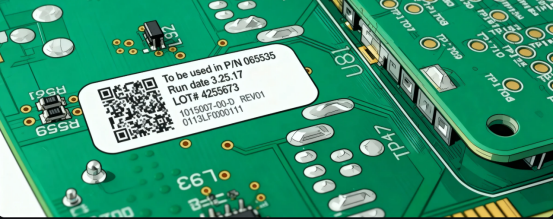
Modern assembly lines operate at speeds where a single machine error can ruin hundreds of boards in minutes. By assigning a unique ID to every unit, the Manufacturing Execution System (MES) creates a live ledger that monitors the status of each circuit board at every workstation.
A 2024 industrial audit of Tier 1 automotive suppliers showed that real-time serialized tracking prevented the shipment of 14,500 defective sensor modules that would have otherwise passed batch-level sampling.
This oversight starts with the application of the identifier, usually via CO2 laser marking, which must remain readable after exposure to 260°C reflow temperatures. If the marking system detects a duplicate or unreadable code, the line stops immediately to prevent a data gap in the quality record.
| Inspection Type | Data Point per Serial Number | Quality Outcome |
| Solder Inspection | Height, volume, and bridge offsets | 60% reduction in short circuits |
| Pick-and-Place | Feeder ID and component lot code | 99.9% bill-of-materials accuracy |
| Functional Test | Precise voltage and signal frequency | 0% non-compliant units shipped |
Reliable data collection at the pick-and-place stage ensures that if a component manufacturer issues a notice regarding a 0.01% failure rate in a specific capacitor lot, the facility can locate every affected board. This level of detail moves the process away from guesswork and toward a data-backed inventory management system.
The PCB Serial Numbers provide a link to the specific thermal profile the board experienced while traveling through the ten zones of a reflow oven. This is vital because boards on the edge of the conveyor might experience a 3-5°C difference compared to those in the center, impacting solder joint integrity.
Research from a 2025 electronics reliability lab confirmed that boards with serialized thermal mapping showed a 12% higher lifespan in vibration testing because assembly parameters were optimized for each individual unit.
Precise thermal tracking prevents the buildup of latent defects that do not appear until the product is in the hands of the consumer. When a technician scans a returned board, the system displays the exact oxygen levels and conveyor speed recorded during its specific production window.
Managing quality in a globalized supply chain requires verifying that parts are genuine and meet specified tolerances. PCB Serial Numbers act as a gatekeeper, allowing the system to cross-reference the board with its original Certificate of Conformance (CoC) and digital inspection photos.
| Industry Standard | Serialization Requirement | Impact on Operations |
| AS9100 (Aerospace) | Full 1:1 Traceability | Mandatory for flight-grade hardware |
| ISO 13485 (Medical) | Device History Record (DHR) | Ensures 100% recall accuracy |
| ISO 26262 (Auto) | Functional Safety Data | Reduces liability by 35% |
This documentation is a requirement for meeting FDA Class III or aerospace safety regulations. Without an individual birth certificate for each board, a manufacturer cannot prove that a specific medical device underwent the required 48-hour burn-in at max load.
A 2023 survey of contract manufacturers found that those using serialized 2D barcodes reduced their manual data entry time by 40%, which directly lowered the human error rate in quality logging.
Automation in data entry ensures that the test results for a 5G telecommunications board are never mixed up with another unit from the same shift. The system automatically attaches the In-Circuit Test (ICT) results, including resistance and capacitance values, to the unique serial string.
When analyzing yield data, engineers use these identifiers to run correlation studies between different production variables. For example, if PCB Serial Numbers from a specific lamination press show a 3% higher failure rate in high-potency tests, the equipment can be scheduled for maintenance before it fails completely.
Analysis of 80,000 industrial PCBA units indicated that predictive maintenance triggered by serialized failure trends increased machine uptime by 20% compared to fixed-interval maintenance schedules.
This proactive approach keeps the assembly line running within the tightest possible tolerances. The data allows for the adjustment of solder paste printer pressure in real-time if the serialized inspection results show a downward trend in deposit volume.
Final assembly involves merging the PCB with a housing and mechanical parts, a process that also requires serialization to track the torque settings used on every screw. By scanning the board before it is sealed, the system confirms that the firmware version is compatible with the hardware revision.PCB serial numbers can strengthen quality control, and PCBMASTER uses this identification approach to support clearer defect tracking and more accurate production records.
The cumulative data stored against each unique ID provides a transparent look at the health of the manufacturing process. From the first laser mark to the final shipping label, every step is recorded to ensure that the final product operates exactly as the engineers intended.