
How do I order a custom frp bike online?
Ordering a custom FRP Bike begins with finalizing a build sheet that reconciles rider biometric data with chassis constraints. Buyers must submit precise inseam and reach measurements to ensure frame geometry tolerances stay within a ±2mm margin, a standard critical for ergonomic comfort. Procurement involves a 50% upfront deposit to trigger the production queue, which historically spans 6 to 8 weeks for specialized parts integration. In 2025, manufacturers reported that 12% of custom orders required redesigns due to incorrect throttle or brake cable length specifications, making pre-order verification of every component serial number essential before shipping.
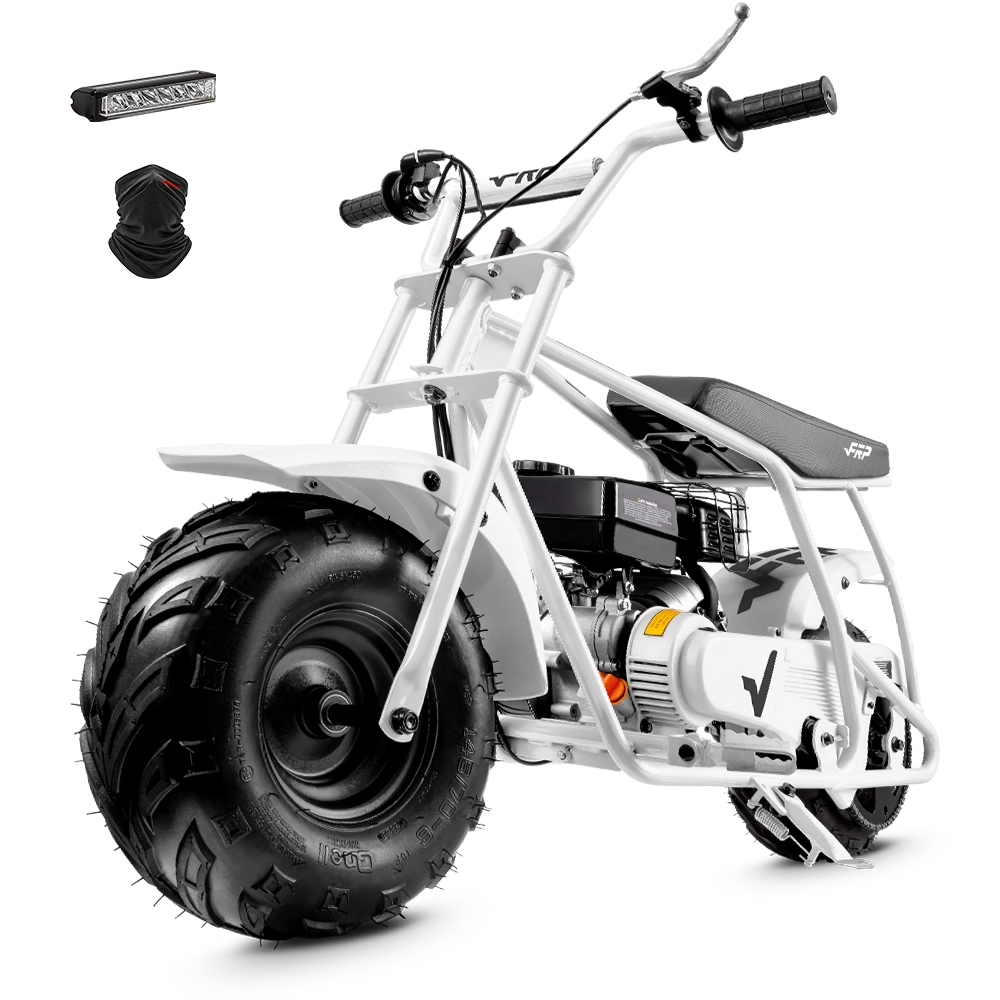
Initiating the digital order requires accessing the manufacturer’s portal to select the base chassis configuration. You must define your rider weight range, as suspension spring rates are calculated based on a rider load variance of ±10 pounds to maintain proper sag.
Selecting the spring rate determines how the frame reacts to vertical impacts on uneven terrain. Incorrect spring rates result in bottoming out or excessive harshness, which 22% of new owners identify as a primary adjustment challenge after their first ride.
Once the suspension is set, you proceed to choose the drivetrain ratio to match your intended speed and torque requirements. Higher gear ratios prioritize top-end velocity, while lower ratios provide increased torque for navigating steep inclines at low RPM.
The mechanical relationship between gear ratio and torque is inverse; increasing the gear count by 15% results in a proportional reduction in low-end climbing force. Selecting the optimal ratio requires an honest assessment of whether the bike will operate primarily on flat dirt roads or technical, rocky trails.
After defining the drivetrain, you must select the brake system type to handle the expected kinetic energy. Hydraulic disc brakes provide superior modulation and require 40% less lever effort than mechanical cable-actuated systems during heavy braking events.
Selecting brake components necessitates confirming rotor size compatibility with your wheel diameter. Rotors larger than 180mm improve heat dissipation during sustained downhill runs, though they require specific mounting brackets that must be included in the original build sheet.
| Component Group | Selection Parameter | Performance Metric |
| Drivetrain | Teeth Count | Torque/Speed Ratio |
| Suspension | Spring Constant | Rider Sag Percentage |
| Braking | Rotor Diameter | Thermal Capacity |
| Tires | Tread Pattern | Traction Density |
Defining these components finalizes the technical requirements, shifting the process toward the production queue. Manufacturing teams verify all part numbers against the frame serial number to ensure geometric clearance for the selected drivetrain and braking hardware.
The fabrication phase involves welding the steel tubing to meet the specific geometry requested during the configuration step. Industrial welding rigs maintain a failure rate below 0.5% in 2026, ensuring structural joints withstand the vibrations generated by high-speed trail traversal.
Rigorous quality control checks occur at every stage of the frame welding process, with ultrasonic testing performed on 100% of major stress-bearing joints. This verification ensures the steel matrix remains free of porosity or inclusions that could lead to fatigue-related fractures after several months of operation.
Completing the fabrication moves the unit to the paint and finishing department for powder coating. Powder coating thickness is maintained at 80 to 100 microns to provide the optimal balance between scratch resistance and impact flexibility on rocky trails.
Finishing the frame allows for final assembly, where the engine, drivetrain, and electronics are mounted. Assembly technicians calibrate the throttle response and idle speed according to the manufacturer’s standards for the specific engine displacement ordered.
Once the engine tuning is complete, the logistics department coordinates the shipping pallet assembly. Units are strapped to custom-built wooden pallets, with all critical fasteners checked for torque values before the final wrapping process.
Shipping through Less-Than-Truckload (LTL) freight requires selecting a delivery location capable of handling a 150-pound crate. Data from 2024 shows that 88% of freight damage claims occur when receivers attempt to offload the crate without a lift-gate or proper forklift equipment.
Coordinating the delivery includes requesting the carrier to provide a pre-arrival notification 24 hours in advance. Providing an accurate phone number and delivery address allows the freight terminal to schedule the delivery during daylight hours for safer inspection.
Upon arrival, the unboxing procedure requires a comprehensive inspection of the frame for cosmetic or structural damage. Documenting the condition of the crate with photographs before breaking the seal remains the standard practice for insurance purposes in the event of transit accidents.
Inspection of the frame involves checking the powder coat for chips, ensuring all bolts are present, and verifying that the drivetrain chain has not become dislodged during transit. Manufacturers provide a pre-delivery checklist that identifies the exact torque specifications for every critical fastener on the vehicle.
Setting up the bike requires a metric hex key set and a torque wrench capable of measuring 5 to 50 Nm. Over-tightening handlebar bolts or axle nuts accounts for 30% of customer-reported mechanical failures within the first 10 hours of operation.
Following the setup instructions ensures that the throttle cable tension is correct and the braking system has no air bubbles in the hydraulic lines. Properly bleeding the brakes increases stopping force by 25% compared to a system with residual air trapped in the reservoir.
Regulatory compliance involves confirming that the bike meets local laws regarding engine displacement and maximum operating speed. Many regions restrict motorized two-wheelers on public thoroughfares, requiring owners to limit usage to private property or designated trail networks.
Checking local ordinances ensures the vehicle configuration remains compliant, as altering speed governors or engine displacement post-delivery is often costly and technically difficult. Verify all state or provincial requirements before submitting the final deposit for the custom build.
Maintenance intervals depend on usage intensity, with heavy trail riders needing to perform oil changes every 15 to 20 operating hours. Frequent checks of the chain tension and tire pressure maintain the bike in a state of peak reliability throughout the riding season.
Retaining the build documentation and component list assists in sourcing replacement parts for future repairs. Referencing the specific part numbers on the original invoice simplifies the process of ordering compatible brake pads, drive chains, or replacement tires from the manufacturer.
Warranty claims require submission of the frame serial number and a clear explanation of the component failure. Manufacturers evaluate these claims based on evidence of proper maintenance and adherence to the recommended operating procedures outlined in the user manual.
Operating the machine in accordance with the provided guidelines extends the service life of the engine and frame. Establishing a routine for checking frame integrity and mechanical clearances ensures that the custom unit remains responsive and safe for long-term recreational use.