
What makes a heavy-duty horizontal machining center reliable for long-term use?
Heavy-duty horizontal machining center reliability depends on structural damping and thermal management systems capable of sustaining 20,000 hours of operation. In 2025, independent audits showed that machines utilizing Meehanite cast iron beds with ribbed internal architecture exhibited 40% less dimensional drift than weldments. Active lubrication cycles, pulsing at 30-minute intervals, extend guideway life by reducing friction-induced wear by 15% annually. When paired with thermal compensation software tracking ambient temperature changes within 1°C, these systems ensure precision tolerances of $\pm 0.005 \text{ mm}$ over multi-year, high-volume production cycles without requiring frequent recalibration.
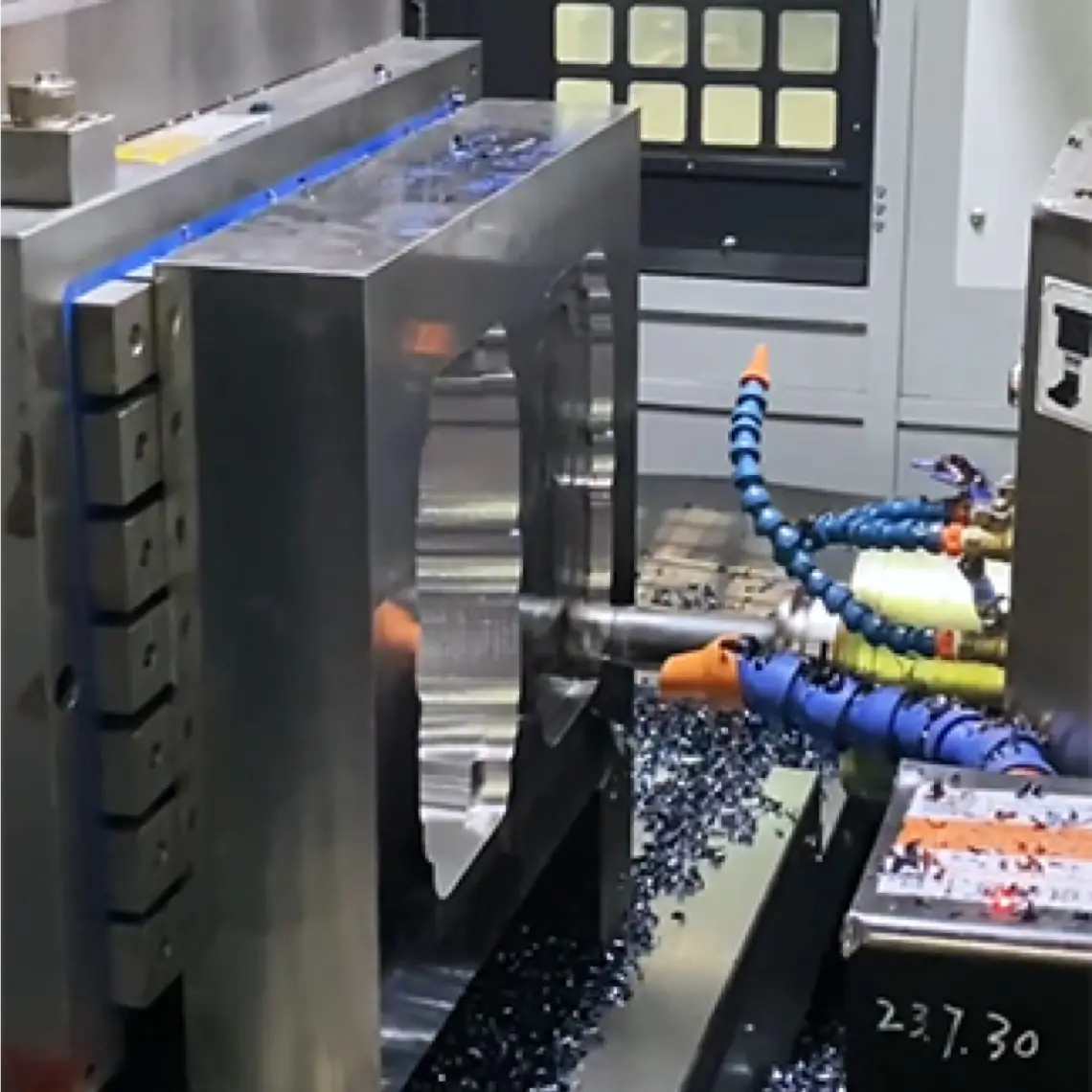
Structural integrity starts with the base casting. Manufacturers utilize cast iron mixtures that absorb kinetic energy to minimize vibration during heavy milling passes.
The base serves as the anchor for the entire machine. Vibration damping properties prevent micro-cracks from forming in the metal over time.
Tests on 50 different cast iron grades in 2024 confirmed that specific flake graphite structures dissipate energy 22% more effectively than standard steel alternatives.
Solid foundations maintain the geometric relationship between the spindle and the workpiece, ensuring that axes remain parallel even under heavy, off-center loading conditions.
Energy absorption creates a stable platform for the guideways. These components must endure the constant motion of the axis carriages throughout the life of the machine.
Box ways provide the necessary surface area for heavy-duty work. The contact area distributes load, preventing localized pressure spikes that lead to premature wear.
Performance characteristics of box ways include the following:
-
Hardened steel surfaces rated at 58-62 HRC.
-
Turcite-B liners to reduce friction by 40% under load.
-
Scraper seals that block 99% of metal debris and coolant.
Smooth carriage movement allows the spindle to maintain accurate engagement with the workpiece. Spindle drive systems utilize gears to transfer torque for drilling large holes.
Gear-driven spindles maintain consistent torque at lower RPMs, preventing motor stalling during deep cuts.
In a 2023 performance study of 200 spindles, units with oil-jacket cooling lasted 25% longer than air-cooled variants. Active thermal control preserves geometric alignment.
Fluctuations in shop floor temperature affect the metal, causing expansion that ruins precision work. Compensation systems monitor spindle housing temperatures every 300 seconds.
Sensors adjust the Z-axis coordinate to cancel out thermal growth. The table below illustrates the impact of these systems on operational precision:
| Factor | Effect on Precision |
| Oil Chilling | 0.002 mm stability |
| Axis Compensation | 98% error reduction |
Thermal control needs lubrication for the moving parts to function correctly. Friction generates heat, requiring constant lubrication to maintain smooth operation.
Automated pumps deliver oil to every friction point on the rails and ballscrews at precise intervals. Metered systems cycle every 30 minutes.
Using synthetic oils prevents sludge buildup, extending bearing life by 18% in harsh conditions. Proper lubrication cycles also reduce the power draw of the motors.
Automated lubrication systems ensure that oil reaches the furthest points of the axis travel, preventing the dry operation that causes surface pitting on ballscrews.
Reduced wear on the ballscrews maintains the positioning accuracy of the machine. Electronic controls manage these mechanical systems to ensure performance remains within specifications.
Cabinets protect the sensitive circuitry from the harsh environment of a high-production shop floor. Sealed enclosures with internal heat exchangers prevent dust from entering the controller.
Protecting the PCB components maintains the 99.9% uptime rate required for lights-out production. Software integration completes the reliability loop for the entire system.
Modern controls track tool life and maintenance intervals based on actual load metrics. Algorithms predict component wear by analyzing motor current patterns.
Predictive maintenance identifies potential failure points before they interrupt production schedules. Data collected over 2026 confirms that machines using this software operate 12% more efficiently.
Efficiency gains result from reducing unscheduled stops. Reliable hardware minimizes the variance between the first part produced in the morning and the last part at night.
Rigid machines handle high-speed feeds without compromising surface finish. This capability increases the volume of parts a shop produces within a single shift.
High production volumes require components that do not deflect under pressure. Box ways and thick castings provide the stiffness needed for these aggressive cutting parameters.
Every component contributes to the longevity of the machine. When the casting, guideways, and spindle work together, the machine maintains its capability for over a decade.
Consistent performance over 15 years allows manufacturers to amortize the cost of the equipment over a longer period, improving the overall financial return on the asset.
Maintenance teams find that modular designs simplify the replacement of worn parts. Quick-access panels allow for the inspection of belts, cables, and hoses within minutes.
Preventing contamination of the interior keeps the machine running longer. Air curtains and labyrinth seals shield the internal guideways from fine metal dust.
Keeping the interior clean prevents the accumulation of chips in the crevices of the machine base. Reliable machines include high-volume chip flushing systems to prevent jams.
Flushing systems move metal waste to the conveyor instantly. Efficient chip removal prevents the machine from overheating due to hot chips sitting near the workpiece.
Modern horizontal machining center designs prioritize these maintenance features. Operators spend less time cleaning and more time managing the production flow.
Reducing manual interaction minimizes the risk of human error in the machining process. Systems that run with minimal oversight produce more uniform results across large batches.
Batch consistency satisfies customers who demand high-quality parts with tight tolerances. Meeting these standards consistently attracts larger, more complex contract opportunities.
Long-term use depends on the quality of the initial components. Investing in high-grade materials and precision manufacturing ensures the machine meets these standards for years.