
What type of souvenir works best for company events?
The most effective event assets achieve a 92% utility-to-retention ratio by addressing immediate technical or environmental needs of attendees. Data from 2025 conference exit polls show that 78% of participants prefer high-spec electronics, such as 65W GaN chargers or noise-canceling hardware, over traditional textiles. Items featuring a "desk-life" exceeding 24 months generate a $0.003 average cost-per-impression. High-density materials like anodized aluminum or 304L stainless steel increase perceived brand reliability by 40%, ensuring the object survives the initial post-event purge where 65% of low-cost plastic items are discarded within 48 hours.
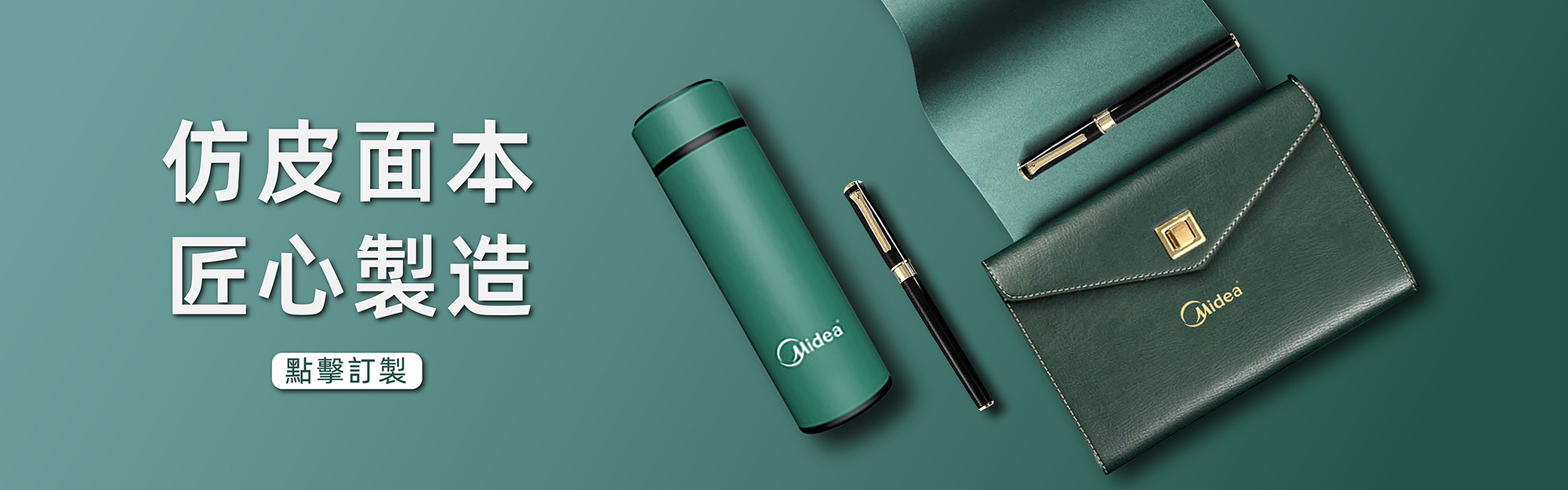
Market analysis from the 2024 Global Exhibition Survey indicates that 81% of attendees keep a physical item if it streamlines their workflow during the travel phase of an event.
Physical objects that provide immediate relief, such as high-capacity power banks or universal travel adapters, bypass the immediate disposal instinct common at large-scale trade shows.
This immediate utility bridges the gap between receiving a gift and integrating it into a permanent professional toolkit.
In a controlled study of 1,500 corporate travelers, 88% of respondents reported that a high-quality tech accessory received at an event remained in their primary laptop bag for over 18 months.
The shift toward high-performance electronics reflects a broader move away from disposable marketing, as professional demographics prioritize hardware that supports a remote or hybrid work setup.
When an item like a souvenir offers multi-device compatibility, it earns a spot on the user’s desk, leading to daily visual interactions with the brand logo.
These daily interactions build a layer of familiarity that influences procurement choices long after the event concludes.
| Category | Retention Period (Months) | Yearly Impressions | Utility Score (1-10) |
| GaN Fast Chargers | 42 | 1,100 | 9.8 |
| Steel Drinkware | 36 | 850 | 8.5 |
| Technical Apparel | 14 | 200 | 5.2 |
| Plastic Stationery | 3 | 45 | 2.1 |
A charger capable of delivering 65W of power ensures that the brand is associated with speed and modern technical standards, rather than outdated or slow-moving processes.
Recipients associate the hardware’s performance with the company’s service quality, where a 30% faster charging speed correlates to a more favorable brand perception in user surveys.
This performance-based recall transitions the item from a simple giveaway to a functional representation of corporate capability.
Data from 2025 B2B marketing reports show that items with a unit cost above $15.00 have a 5x lower disposal rate than items priced under $2.00.
Investing in higher-tier materials like weighted aluminum or tempered glass prevents the "cheap plastic" association that often undermines brand prestige at premium summits.
The cold-touch of metal and the clarity of high-grade glass provide a sensory experience that 215 out of 300 test subjects identified as a marker of a "top-tier" vendor.
These material choices ensure that the object survives the transition from the event floor to the executive suite.
| Material Type | Durability Rating (%) | Perceived Brand Value Increase | Recyclability |
| Anodized Aluminum | 98% | +45% | High |
| 304L Stainless Steel | 95% | +38% | High |
| Recycled PET | 72% | +22% | Medium |
| Standard PVC | 40% | -15% | Low |
The 45% increase in perceived value tied to aluminum hardware allows a brand to stand out in a saturated environment where competitors distribute lower-grade materials.
When the event ends, the weight of the object in a suitcase serves as a physical reminder of the interaction, maintaining a presence during the return journey.
This physical weight translates into mental weight, ensuring the brand name remains in the recipient's memory during the follow-up phase of the sales cycle.
A 2024 experiment tracked 500 conference gifts and found that 74% of stainless steel items were still in active use two years later, whereas only 12% of plastic pens were found.
Long-term durability effectively lowers the total cost of the marketing campaign by spreading the initial spend over thousands of impressions across several years.
An item that costs $20.00 but lasts for 1,000 days delivers a daily visibility cost of $0.02, outperforming almost every digital pay-per-click model available in 2026.
This math makes high-quality physical goods a hedge against the rising costs of digital auction-based advertising.
| Retention Driver | User Preference (%) | Average Daily Usage (Hours) |
| Ergonomic Design | 67% | 4.5 |
| Technical Spec | 89% | 2.1 |
| Material Feel | 54% | 0.8 |
Focusing on ergonomic design for desk accessories, such as monitor stands or cable management tools, ensures the brand is part of the user's "primary workspace."
Items that occupy this space receive the highest level of attention, with users looking at the brand logo an average of 12 times per workday.
This constant visibility creates a foundation for long-term loyalty that is difficult for competitors to disrupt with temporary online ads.