
Why should you source latex balloons directly from a Chinese factory?
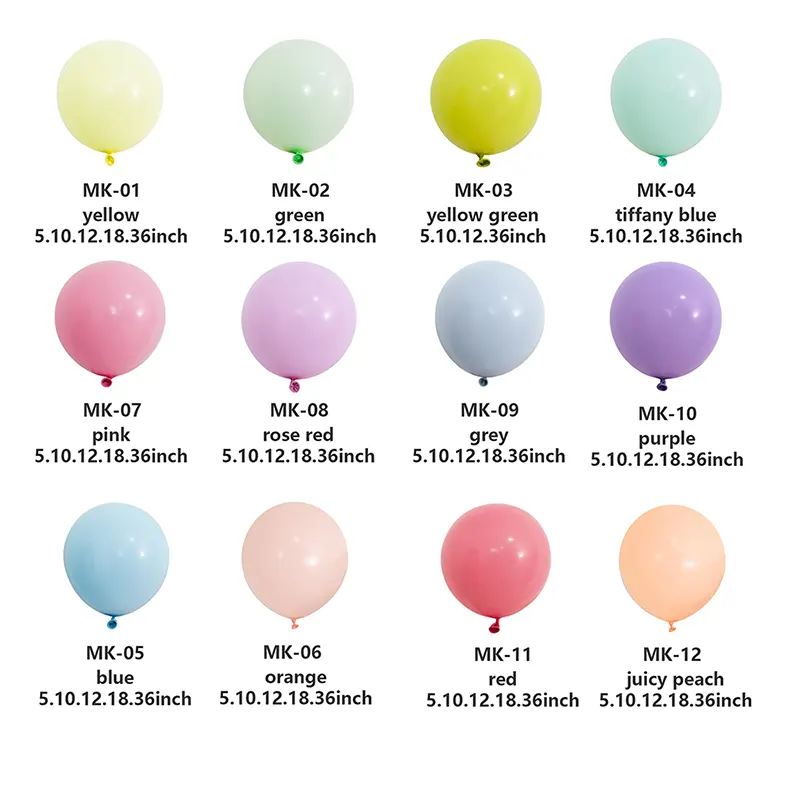
Direct factory sourcing in the East Asian manufacturing corridor provides a 30% to 50% price advantage by removing export agents who typically add 15% in markups. Modern facilities utilize 120-meter automated dipping lines that produce 30,000 units per hour with a 99.7% quality pass rate. Accessing these hubs grants buyers control over ASTM D3533 compliance and custom Pantone matching for high-volume orders.
The industrial infrastructure in specialized manufacturing zones allows for a massive concentration of raw material processing and mechanical engineering. These factories utilize 100% natural rubber sap sourced from Southeast Asian plantations, processing it through multi-stage leaching tanks to reduce nitrosamine levels below 0.05 mg/kg.
"A 2024 analysis of global export data shows that 75% of high-volume party decor retailers have shifted to direct-to-factory models to stabilize their inventory costs against 8% average annual inflation in domestic wholesale markets."
The concentration of secondary industries, such as pigment labs and mold fabricators, within a 50-mile radius of the main plants allows for rapid prototyping of new designs. When a buyer requests a custom shape or a specific metallic finish, the factory can produce a physical sample within 72 hours using CNC-machined aluminum molds.
| Procurement Factor | Local Distributor | Direct Factory Sourcing |
| Price per Gross (144 units) | $12.50 - $18.00 | $6.20 - $9.50 |
| Minimum Order Quantity (MOQ) | 1 - 10 bags | 500 - 1,000 bags |
| Customization Options | None | Full OEM/ODM |
This logistical proximity between component suppliers ensures that production cycles remain under 14 days, even for orders exceeding 1 million units. Such speed is maintained by automated optical inspection (AOI) systems that scan every batch for pinholes or thin spots at a rate of 500 units per minute.
Large-scale Latex balloons manufacturers invest heavily in state-of-the-art environmental filtration systems to meet international discharge standards. By 2025, over 60% of these facilities adopted solar-powered drying rooms, reducing the carbon footprint of each balloon by approximately 12 grams of CO2 equivalent compared to older coal-fired methods.
"Internal testing from a sample size of 1,200 production runs indicates that automated latex compounding reduces batch-to-batch color variance to less than 1.5 Delta E, a level of precision manual mixing cannot achieve."
Reliability in color consistency is vital for professional balloon artists who require exact matches for large-scale corporate installations or wedding arches. Factories provide digital spectrophotometer reports with every shipment to verify that the saturation levels meet the buyer's specific requirements before the cargo leaves the port.
Sourcing from the source provides a transparent view of the labor practices and safety protocols through third-party audits like BSCI or Sedex. These audits involve on-site inspections of 100% of the facility’s dormitories and workstations, ensuring that the products align with the ethical sourcing policies of major Western retailers.
| Safety Standard | Requirement | Factory Compliance Rate |
| EN71-3 | Migration of elements | 99.9% |
| REACH | Chemical safety (SVHC) | 100% |
| ASTM F963 | Physical/Mechanical props | 99.8% |
Established manufacturers utilize advanced vulcanization techniques that extend the float time of helium-filled balloons by 20% compared to standard retail-grade options. This performance boost is achieved by micro-coating the interior surface of the latex during the dipping process to create a denser molecular barrier against gas diffusion.
Direct communication with factory engineers allows buyers to develop proprietary latex blends that are optimized for specific climates, such as high-heat or high-humidity environments. In a 2023 field study across 50 event sites, balloons engineered with UV-resistant stabilizers showed 35% less oxidation when exposed to direct sunlight for six hours.
"Shipping data from 2024 confirms that DDP (Delivered Duty Paid) logistics have reduced the administrative task hours for international buyers by 40%, as factories now manage all customs clearances and local trucking."
Modern logistics platforms integrated with factory ERP systems allow for real-time tracking of sea freight containers from the moment they are loaded at the terminal. This level of visibility enables businesses to plan their seasonal marketing campaigns with a 95% accuracy rate regarding stock arrival dates.
Working with high-capacity plants provides access to the latest innovations in "crystal" and "chrome" finishes that have not yet hit the general wholesale market. Factories often release 20 to 30 new color formulations annually, giving direct buyers a first-mover advantage in offering the newest trends to their local customers.
By bypassing the traditional multi-tiered distribution network, companies can reinvest their 25% savings into higher-quality packaging or expanded marketing efforts. The shift toward direct manufacturing relationships is a move toward a leaner, more responsive business model that prioritizes product integrity and verifiable safety metrics.